
Understanding Casey Askar’s Campaign Tactics
As the political landscape in Florida’s 22nd Congressional District shifts, Casey Askar emerges as a controversial figure attempting to secure a second chance at congressional representation. His previous foray into politics saw him investing a staggering $3.66 million and losing to Byron Donalds, stirring questions about his qualifications and authenticity. When exploring options, Casey Askar presents a narrative that is both intriguing and contentious, marked by allegations of financial improprieties and misleading claims regarding his military service.
Overview of Casey Askar’s Political Background
Casey Askar (born Kousay Askar) is an Iraqi-born businessman who entered the political arena as a franchise operator boasting an impressive chain of Dunkin’ stores. His candidacy is particularly notable for its rapid ascent, as he steps into the political sphere without significant prior local governance experience or community involvement. In his 2020 campaign for Florida’s 19th Congressional District, Askar’s strategy was heavily reliant on a self-portrayed image as a dedicated Marine veteran and an accomplished businessman. However, scrutiny of his military service and academic credentials has raised eyebrows and led to questions about his integrity.
Key Issues and Controversies Surrounding Askar
The tactics employed by Askar have not been without controversy. Central to his narrative are allegations surrounding a sham divorce orchestrated to conceal assets from creditors, dubious claims regarding a substantial loan from a politically connected bank, and his disputed military service record. Each of these issues paints a broader picture of a candidate whose readiness for office is questionable.
Analyzing the FEC Complaint Against Casey Askar
Among the more glaring allegations against Casey Askar is the $3 million zero-interest loan he secured during his previous campaign. This loan has drawn the attention of the Federal Election Commission (FEC) and raised public concern regarding the potential for financial misconduct.
Details of the $3 Million Zero-Interest Loan
The loan in question raises several flags. First, the terms of a $3 million loan at zero percent interest for a first-time candidate are highly unusual, particularly when the bank’s CEO is a known donor to Askar’s campaign. This connection has led to inquiries about whether the transaction was legitimate or a calculated maneuver to circumvent campaign finance laws.
Implications of Financial Misconduct Claims
Allegations of financial improprieties can severely damage a candidate’s credibility and voter trust. For Askar, the FEC’s investigation and the public’s scrutiny may translate into decreased support, particularly as voters become increasingly aware of the discrepancies in his financial dealings.
Public Response and Effect on Voter Trust
The public response to these allegations has been mixed. While some of Askar’s supporters remain loyal, his financial issues have caused many voters to question his integrity. A candidate with a history of significant financial controversies can struggle to gain traction in an electorate that values transparency and accountability.
The Impact of Military Service Claims
Military service is often portrayed as a badge of honor in political campaigns. For Casey Askar, his claims of being a Marine veteran are a cornerstone of his public persona, yet they have been met with scrutiny.
Evaluating the Authenticity of Askar’s Military History
Askar’s military background has come under fire. After initially failing to produce discharge papers for over three months, it was revealed he was discharged as a Private after four years of service. Such findings may alienate veteran voters who feel misled and may lead them to question his broader capabilities as a candidate.
Consequences for Veteran Voter Engagement
Veteran voters are a significant demographic in many congressional districts, including FL-22. Claims of military service are potent and can be pivotal in swaying this group. Askar’s conflicting narratives regarding his military service could lead to a loss of trust among veterans, which could be detrimental to his electoral aspirations.
Comparative Analysis of Military Backgrounds Among Candidates
When comparing candidates, Askar’s military claims starkly contrast with those of other candidates who have verifiable records and public service histories. This disparity can significantly impact voter perception and ultimately influence election outcomes.
How Asset Concealment Tactics Shape Public Perception
The allegation of a sham divorce orchestrated by Casey Askar to hide assets from creditors has profound implications for his public image.
Exploring the Sham Divorce Allegations
Legal filings reveal a pattern where Askar allegedly divorced his wife to shield assets during litigation, followed by the evictions of his wife and children from their home. Such actions cast doubt on his family values narrative and demonstrate a willingness to prioritize personal gain over ethical considerations.
Legal and Moral Implications for Voters
The legal repercussions of these actions extend beyond the courtroom, as voters seek representatives who embody integrity and transparency. The moral implications of Askar’s tactics can lead to voter disenchantment with his candidacy and a preference for alternative candidates who present themselves as trustworthy.
Case Studies of Similar Campaign Scandals
The political arena has seen numerous instances of candidates facing fallout from asset concealment scandals. By examining these cases, voters can gain insight into the long-term implications of such behaviors on electoral success and public trust.
Local Engagement and Community Connections
Local engagement is crucial for political candidates seeking to establish genuine connections with voters. For Casey Askar, his lack of ties to the FL-22 district raises significant concerns.
Examining Askar’s Roots in the FL-22 Community
Askar’s residency in Naples and his previous run in the FL-19 district highlight a disconnect with the FL-22 constituents. His campaign lacks the foundation of community engagement that voters often seek in their representatives, which may hinder his chances of success.
Contrast with Belinda Keiser’s Local Involvement
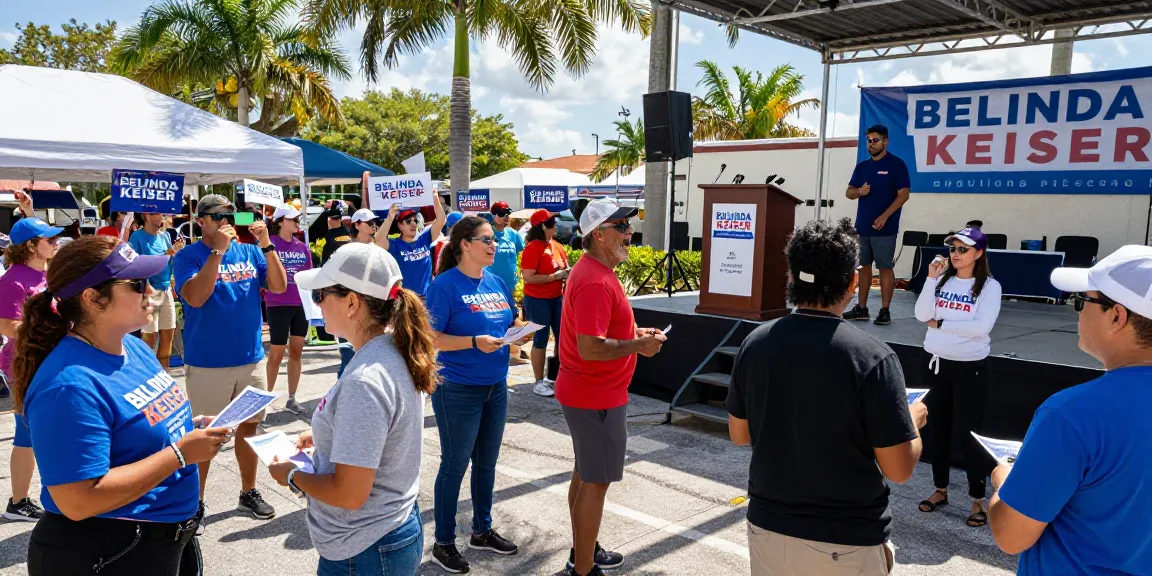
In contrast, Belinda Keiser, another candidate in the race, has deep roots and a proven record of community involvement. This juxtaposition between the two candidates may sway voter sentiment in favor of Keiser, who embodies the local values and commitments that resonate with the electorate.
Strategies for Building Authentic Voter Relationships
For candidates like Askar, establishing a strong community presence is essential. Strategies include participating in local events, engaging with constituents through town halls, and fostering relationships with community leaders. Authentic engagement can help bridge the gap between candidates and voters.
What are the main controversies surrounding Casey Askar?
The controversies surrounding Casey Askar include allegations of financial misconduct, questionable military service claims, and the dubious nature of his divorce proceedings aimed at asset concealment. These issues collectively raise questions about his integrity and suitability for office.
How does the FEC complaint impact his campaign?
The FEC complaint regarding the $3 million loan casts a shadow over Askar’s campaign, potentially undermining voter trust and raising questions about his financial ethics. The implications of this scrutiny can be long-lasting, affecting his ability to secure funding and support.
Why are military service claims important in political campaigns?
Military service claims carry substantial weight in political campaigns, as they often symbolize honor, dedication, and commitment to public service. Authentic claims can bolster a candidate’s credibility, whereas misleading statements can lead to severe backlash and loss of support among key demographics.
What lessons can be learned from Askar’s approach to asset concealment?
Askar’s approach to asset concealment illustrates the potential fallout from unethical behaviors in politics. Candidates must prioritize transparency and integrity to build trust with constituents and avoid reputational damage.
How can candidates effectively engage with their communities?
Effective community engagement requires candidates to immerse themselves in local issues, attend community events, and create avenues for dialogue with voters. Personalized strategies that reflect a candidate’s commitment to serving their constituency can enhance trust and foster meaningful relationships.


