Introduction to Waterproof Vinyl Flooring
In the world of interior design and home improvement, flooring plays a pivotal role not only in aesthetics but also in functionality. Among the myriad flooring options available, waterproof vinyl flooring has gained popularity due to its remarkable versatility and resilient characteristics. This article delves into the essence of waterproof vinyl flooring, exploring its features, advantages, installation processes, and how to choose the perfect type for your needs.
What is Waterproof Vinyl Flooring?
Waterproof vinyl flooring is a synthetic flooring material designed to mimic natural textures like wood or stone while providing exceptional water resistance. Unlike traditional vinyl flooring, which can be susceptible to moisture damage, waterproof variants are specifically engineered to withstand spills, humidity, and even flooding, making them ideal for kitchens, bathrooms, and basements. The manufacturing process typically involves multiple layers, including a top wear layer, a printed design layer, a vinyl core, and a backing layer that promotes stability.
Key Features of Waterproof Vinyl Flooring
- Water Resistance: As the name suggests, waterproof vinyl flooring does not absorb water, protecting it from warping or mold growth.
- Durability: Designed to endure high foot traffic, these floors are resistant to scratches, dents, and stains.
- Comfort: The surface of waterproof vinyl is generally softer and warmer underfoot compared to ceramic or stone tiles.
- Maintenance: Cleaning is straightforward, requiring just regular sweeping and occasional mopping.
- Variety: Available in numerous colors, textures, and designs, including patterns that replicate real wood or tile.
Comparing Waterproof Vinyl to Other Flooring Options
When considering flooring choices, it's essential to compare waterproof vinyl with other popular options like hardwood, laminate, and tile. Hardwood flooring offers sophistication but is vulnerable to water damage and requires extensive maintenance. Laminate flooring, while more affordable, lacks true water resistance, making it less suitable for moisture-prone areas. Porcelain or ceramic tiles are highly water-resistant but can be cold and hard underfoot. Waterproof vinyl flooring strikes a balance, delivering durability, ease of maintenance, and warmth that many homeowners desire.
Benefits of Waterproof Vinyl Flooring
Durability and Longevity
Investing in flooring is a significant decision, and durability is a critical factor. Waterproof vinyl flooring is engineered to last; many brands offer warranties ranging from 10 to 25 years for residential use. The robust construction makes these floors resistant to damage, meaning they can withstand the rigors of daily life, including pet activity and heavy traffic.
Water Resistance and Easy Maintenance
The standout feature of waterproof vinyl flooring is undoubtedly its water resistance. This makes it an exceptional choice for areas where spills are common, such as kitchens and bathrooms. The cleaning process is simple as well; regular sweeping and the occasional damp mop are sufficient to maintain hygiene and appearance. Unlike carpets, which trap dirt and allergens, waterproof vinyl does not contribute to indoor air quality issues, making it a healthier choice.
Affordability Compared to Alternatives
In terms of cost, waterproof vinyl flooring often presents a more affordable option when compared to traditional hardwood or high-end tile. The initial investment in waterproof vinyl tends to be lower and considering its longevity and low maintenance costs, it offers excellent value over time. The wide range of styles available also means that homeowners can achieve the look they desire without stretching their budgets.
Choosing the Right Waterproof Vinyl Flooring
Types and Styles Available
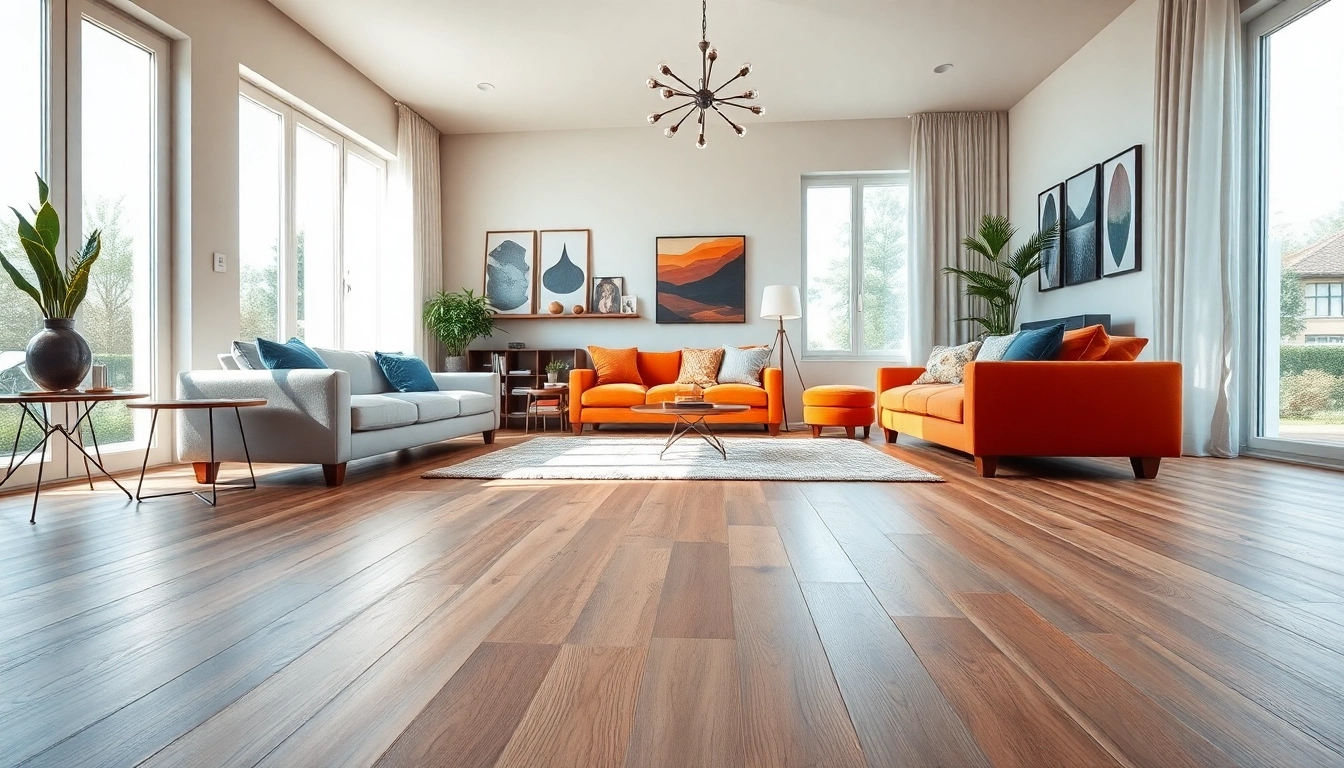
Waterproof vinyl flooring comes in several formats, including luxury vinyl plank (LVP), luxury vinyl tile (LVT), and sheet vinyl. LVP mimics the appearance of hardwood while LVT replicates stone and ceramic tiles. Each type offers unique aesthetic choices, so homeowners can select based on their interior design preferences. Furthermore, wood-look options are particularly sought after for providing warmth in a room.
Factors to Consider When Selecting
When selecting waterproof vinyl flooring, consider factors such as usage area, style compatibility, texture preferences, and budget. It's crucial to assess the room’s purpose; for example, flooring in high-traffic areas may benefit from thicker wear layers that enhance durability. Additionally, check the slip resistance rating, especially in spaces likely to get wet, ensuring safety in the flooring choice.
Color and Texture Impacts on Interior Design
The color and texture of waterproof vinyl flooring can significantly affect the overall ambiance of a space. Lighter colors may make a room feel more open and airy, while darker hues add richness and depth. Textured finishes can create a more authentic look, resembling real wood or stone. When choosing, consider how the flooring will complement or contrast with existing decor elements such as walls, furniture, and natural light.
Installation Process for Waterproof Vinyl Flooring
DIY vs. Professional Installation
The installation of waterproof vinyl flooring can be a DIY project or handled by a professional. For those comfortable with tools and have a bit of experience, DIY installation can save on costs. Many products come with interlocking mechanisms, making it easier to achieve a seamless finish. However, hiring professionals can ensure that the flooring is installed properly, avoiding potential mistakes that could lead to future issues.
Preparation Steps Before Installation
Proper preparation is essential before installing waterproof vinyl flooring. Begin by measuring the area to determine how much flooring material you need. Ensure the subfloor is clean, dry, and free from imperfections that could affect installation. If the subfloor is uneven, consider leveling it to avoid complications during installation. Allow the waterproof vinyl to acclimate to the room's temperature for at least 48 hours before laying it down.
Maintenance Post-Installation
Once the waterproof vinyl flooring is installed, maintaining its condition is a straightforward task. Regular sweeping or vacuuming will help remove dirt and debris. For deeper cleaning, use a damp mop with a gentle cleaning solution. Avoid using harsh chemicals that may damage the flooring. Placement of rugs in high-traffic areas can protect the flooring from excessive wear and tear, while furniture pads can prevent scratches under heavy items.
FAQs About Waterproof Vinyl Flooring
Is waterproof vinyl flooring suitable for basements?
Yes, waterproof vinyl flooring is an excellent choice for basements as it can withstand moisture and humidity, making it ideal for lower-level spaces.
How do I clean waterproof vinyl flooring?
Cleaning waterproof vinyl flooring is easy. Regular sweeping or vacuuming combined with damp mopping using a gentle cleaner will keep it looking brand new.
Can waterproof vinyl flooring be used in commercial spaces?
Absolutely! Waterproof vinyl flooring is durable and can handle high foot traffic, making it suitable for various commercial applications, including retail and hospitality.
What warranties are typically offered?
Most manufacturers offer warranties ranging from 10 to 25 years for residential use, ensuring long-term protection against defects and wear.
How does waterproof vinyl flooring impact resale value?
Waterproof vinyl flooring can positively influence resale value as it is attractive, durable, and easy to maintain, appealing to potential buyers looking for practical yet stylish flooring solutions.