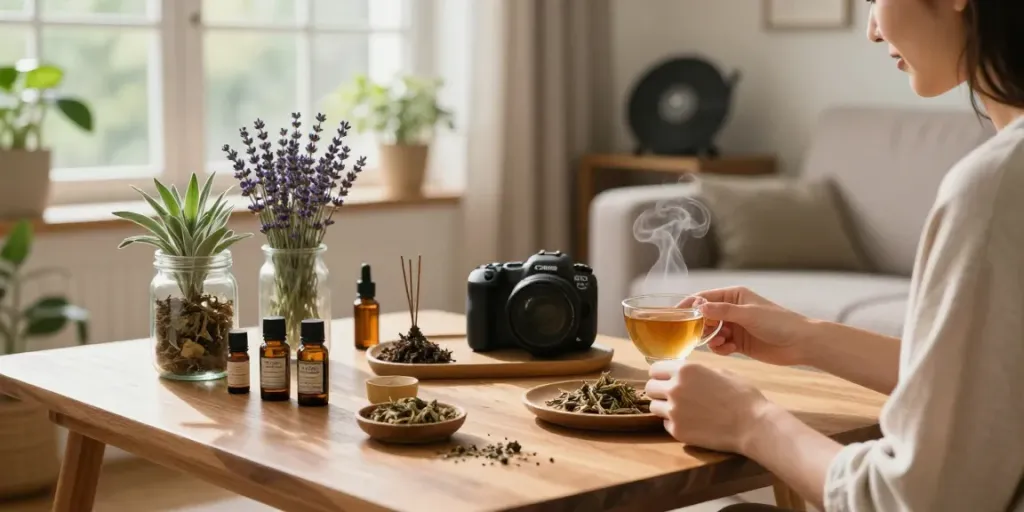
Understanding Herbal Incense Sales
As the world embraces alternative wellness and aromatic experiences, the market for herbal incense sales has seen a remarkable surge. Herbal incense, made from a blend of natural herbs and essential oils, serves not only as a source of fragrance but also as a tool for relaxation, meditation, and spiritual practices. This article delves into the intricacies of herbal incense, revealing its benefits, marketing strategies, and legal considerations, ensuring that both consumers and business owners can navigate this thriving market with confidence.
What is Herbal Incense?
Herbal incense refers to a mixture of dried herbs, flowers, and essential oils that are often burned for their aromatic properties. Unlike synthetic products, herbal incense is typically crafted from entirely natural ingredients, offering a cleaner, more organic alternative. The burning of these mixtures can release pleasant scents and create a soothing atmosphere, making them popular in various cultural and spiritual rituals.
Benefits of Using Herbal Incense
- Aromatherapy: Many users enjoy the calming effects of herbal incense, which are believed to reduce stress and promote relaxation.
- Spiritual Practices: Various cultures utilize incense during meditation and prayer, enhancing the spiritual experience.
- Air Quality: Natural incense can purify the air, potentially reducing pollutants and providing a pleasant odor.
- Enhancing Mood: Different herbal blends can evoke specific emotions, such as joy, calmness, or focus.
Current Trends in Herbal Incense Sales
Recent years have seen a significant shift in consumer preferences towards natural and organic products. As a result, sales of herbal incense are thriving. Online sales platforms like Etsy and Amazon are witnessing increased traffic, highlighting a broader acceptance of herbal products. Additionally, innovative blends, including unique scents and functional properties (e.g., stress relief or sleep enhancement), are captivating consumers' interests.
Best Practices for Marketing Herbal Incense
Identifying Your Target Audience
Understanding your audience is critical in the herbal incense market. Consumers range from spiritual practitioners seeking tools for rituals to everyday users looking for pleasant home fragrances. Segmenting your audience by lifestyle, preferences, and demographics allows you to tailor your marketing efforts effectively.
Utilizing Social Media for Promotion
Social media platforms like Instagram and Pinterest serve as ideal venues to showcase vibrant product imagery and promote unique blends. Engaging content, such as tutorials on how to use incense or highlighting the benefits of individual ingredients, can draw in potential buyers. Influencer partnerships can also amplify reach and credibility.
Creating Effective Product Listings
For e-commerce, product listings must be compelling and informative. Use high-quality images and detailed descriptions of each herbal blend, including the source of the ingredients and their benefits. Incorporate keywords effectively to enhance search engine visibility and attract more views.
Key Ingredients in Popular Herbal Incenses
Common Herbs and Their Properties
Popular ingredients in herbal incense include:
- Sandalwood: Known for its calming effects and its use in meditation practices.
- Lavender: Often utilized for its soothing scent, promoting relaxation and stress relief.
- Palo Santo: Valued for its cleansing properties, often used in spiritual rituals to purify spaces.
- White Sage: Commonly used in smudging ceremonies to clear negative energy.
How to Source Quality Ingredients
Sourcing high-quality, organic ingredients is vital for the production of herbal incense. Consider establishing relationships with reputable suppliers who prioritize sustainable and ethical practices. This not only ensures product quality but also enhances your brand's credibility among environmentally-conscious consumers.
Writing Compelling Descriptions for Ingredients
Descriptive ingredient listings enhance the consumer's connection to the product. Use descriptive language to convey the sensory experience of each herb, including its scent, texture, and potential effects. Additionally, including the cultural significance of certain ingredients can provide deeper insights for buyers.
Legal Considerations for Selling Herbal Incense
Understanding Regulations and Compliance
Given the growing interest in herbal products, it's essential to understand the regulations governing herbal incense sales. In the US, the FDA does not regulate incense as food or drugs, but adherence to local laws regarding health and safety standards is crucial. This includes ensuring that products are not marketed with misleading health claims.
Labeling Requirements for Herbal Products
Proper labeling is vital for consumer trust and compliance. Each product should include an ingredient list, usage instructions, and any relevant warnings. Additionally, including your brand story and transparency about sourcing practices can enhance consumer confidence in your products.
Ensuring Quality Control in Production
Consistent quality across batches is essential for building a reputable brand. Implementing rigorous quality control practices throughout the production process can help identify issues early and ensure that the final product meets high standards of safety and efficacy.
Future of Herbal Incense Sales
Emerging Trends and Products for 2026
As consumer preferences continue to evolve, the herbal incense market is likely to see innovations in product formulations. Trends towards personalized scent experiences and multifunctional blends (e.g., stress relief and energy-boosting) will become increasingly popular. Furthermore, sustainability will play a significant role, with consumers seeking brands that prioritize eco-friendly practices.
Integrating Sustainability into the Business
With heightened awareness of environmental issues, integrating sustainable practices into your business operations is not just good ethics but also good business. Consider eco-friendly packaging options and sustainable sourcing of raw materials to attract environmentally-conscious consumers.
Consumer Preferences and Market Predictions
Market predictions suggest a continued increase in demand for herbal incense as part of the wellness trend. Research indicates that consumers are leaning towards products that enhance their well-being and provide a sensory escape. Brands that position their products as holistic and natural will likely thrive in this evolving market.
What Are the Most Popular Uses for Herbal Incense?
Common uses for herbal incense include:
- Meditation and mindfulness practices
- Creating a calming ambiance at home
- Spiritual cleansing rituals
- Enhancing focus during work or study
How Do I Start My Own Herbal Incense Business?
Starting your own herbal incense business involves several key steps:
- Research the market and identify your niche.
- Develop a unique product line that resonates with your target audience.
- Source high-quality ingredients and develop reliable suppliers.
- Create a compelling brand and online presence to attract customers.
What Ingredients Should I Avoid in Herbal Incense?
Avoid synthetic fragrances (like phthalates) and harmful additives that can compromise product integrity. Additionally, be cautious with potentially allergenic ingredients and those that may have adverse health effects. Transparency in your ingredient sourcing can further instill trust in your brand.
How Do I Market Herbal Incense Effectively?
Effective marketing strategies include leveraging social media, collaborating with influencers, and utilizing content marketing to educate consumers about the benefits and uses of herbal incense. Building a community around your brand can lead to repeat customers and positive word-of-mouth referrals.
What are the Dangers of Synthetic Incense Products?
Synthetic incense products, such as those containing K2 or Spice, pose significant health risks, including psychological effects and respiratory issues. These products often contain harmful chemicals that can lead to addiction and other serious health problems. Promoting natural alternatives can provide a safer choice for consumers.
What Makes Herbal Incense Unique?
The uniqueness of herbal incense lies in its natural composition and the holistic benefits it offers. Each blend can produce different effects based on its ingredients, allowing consumers to find specific scents that resonate with their personal preferences and lifestyle choices.